
CCF · B2B BUYER RESOURCES
Carbon Fiber Parts
Sourcing Guides
Practical guides for importers, distributors, aftermarket brands and performance shops.
EXPLORE BY TOPIC
Compare materials, check fitment and plan your next order—from first samples to OEM development and customer support.
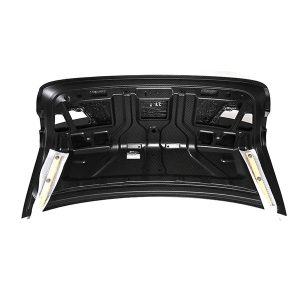
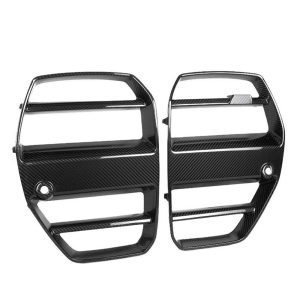
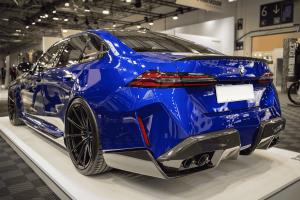
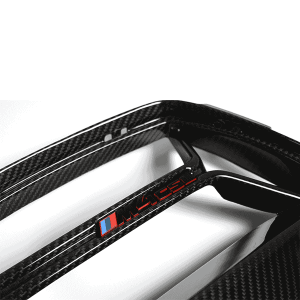







Need Carbon Fiber Parts for Your Market?
Send us the vehicle model, part or product reference, expected quantity and destination country. For custom development, include available photos, drawings or other project references so we can review the requirement.
- Vehicle Model · Year · Chassis Code
- Part Product Code · Part Name · Reference Photo
- Order Quantity · Destination Country
Materials, Fitment & Care
Practical answers to common technical questions from buyers and installers evaluating automotive carbon fiber parts. Construction, finish, installation and fitment can vary by product, so always confirm the specification of the exact product before ordering.
Need MOQ, shipping, payment or warranty information? Visit the Buyer Help Center →01 What is the difference between dry carbon and wet carbon parts?
In automotive carbon fiber products, dry carbon commonly refers to prepreg construction, where carbon reinforcement is supplied with a controlled amount of resin already incorporated into the material before curing. Wet lay-up generally means liquid resin is applied to dry carbon reinforcement during the lay-up process.
Prepreg manufacturing can provide tighter control over resin content and laminate consistency and is commonly used where low weight, stiffness and surface quality are important. Actual performance still depends on the fiber, resin system, laminate design, tooling and manufacturing process.
Dry carbon is CCF's main production focus and represents approximately 95% of our product range. Confirm the exact construction and specification of the selected product code before ordering.
These external references provide general process background and do not certify or verify a specific CCF product.02 What is the difference between 3K, 12K and forged carbon?
The "K" refers to the approximate number of filaments in a carbon fiber tow. A 3K tow contains approximately 3,000 filaments, while a 12K tow contains approximately 12,000. Tow size affects fabric construction and visual appearance, but it does not by itself determine the quality of a finished part.
3K woven carbon is widely used for the familiar fine-weave automotive appearance. 12K uses larger tows and can produce a visibly larger weave pattern. Forged carbon generally describes a fragmented or chopped-fiber appearance rather than the regular pattern of woven carbon fabric.
When sourcing parts, confirm the material, weave pattern, finish and product specification instead of judging quality from the 3K, 12K or forged-carbon description alone.
03 Does carbon fiber fade, yellow or degrade in sunlight?
The long-term appearance of an exterior carbon fiber part depends not only on the carbon reinforcement but also on the resin system and surface coating. Extended UV exposure can affect some resin systems and clear finishes, potentially causing discoloration, loss of gloss or surface deterioration over time.
For exterior automotive use, buyers should confirm the finish specification and follow appropriate cleaning and protection practices. Climate, exposure and maintenance all influence long-term appearance.
04 Will engine heat damage a carbon fiber hood — do I need vents or heat shielding?
Heat resistance depends on the resin system, laminate, finish and location of nearby heat sources. Engine-bay temperatures are not uniform, and areas close to turbochargers, exhaust components or other concentrated heat sources can experience significantly higher thermal exposure.
Whether vents, insulation or heat shielding are appropriate depends on the vehicle and installation. A qualified installer should check clearances and determine whether additional thermal protection is required for the specific application.
05 How should I clean and maintain carbon fiber parts?
Clear-coated exterior carbon fiber can generally be cared for in a similar way to painted automotive bodywork. Use a mild automotive cleaner, clean non-abrasive wash materials and dry the surface gently.
Avoid harsh chemicals or aggressive abrasion unless the coating or product manufacturer recommends them. Inspect exposed edges, mounting points and surface condition periodically, especially on exterior aerodynamic parts.
06 Can scratched or cracked carbon fiber be repaired?
The answer depends on whether the damage is limited to the surface coating or extends into the composite laminate. Minor clear-coat marks may sometimes be corrected by an experienced automotive refinisher or detailer.
Cracks, delamination, broken mounting areas or damage extending into the carbon laminate require professional assessment. A cosmetic repair should not automatically be assumed to restore the original structural performance of the component.
07 Do carbon fiber parts need professional installation, and are they reversible?
Installation method varies by product. Depending on the part, installation may use factory mounting points, clips, fasteners, automotive adhesive or a combination of methods. Some products may require drilling, adjustment or other vehicle modification.
CCF strongly recommends professional installation, particularly for hoods, spoilers, diffusers, bumpers and larger exterior components where alignment, clearance and secure mounting are important.
Whether installation is reversible depends on the exact mounting method. Confirm the product code, vehicle application, hardware and any required permanent modification before installation.
08 Are aftermarket carbon fiber parts street-legal, and can they affect insurance or the vehicle warranty?
Road-use requirements, modification rules, insurance obligations and vehicle-warranty implications vary by product, vehicle and jurisdiction. A product listing or catalog reference does not by itself establish road-use approval for a particular country or vehicle.
Before installation, buyers should check applicable local regulations and, where relevant, confirm the modification with their insurer, vehicle manufacturer or other appropriate authority. A qualified installer should also review vehicle-specific installation requirements.