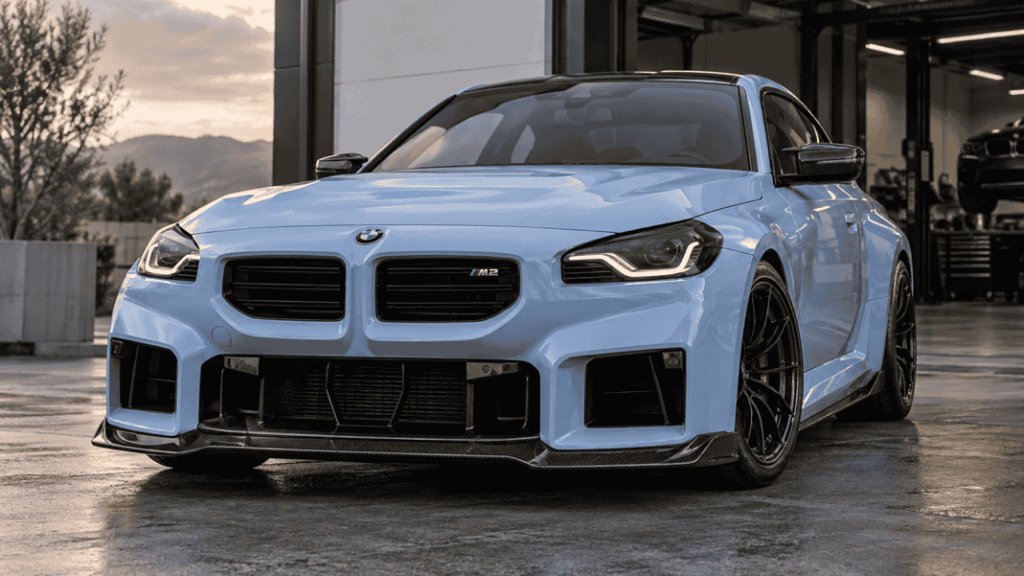
For a G87 M2 carbon hood, review hinge and closure interfaces, seals or insulation, support requirements and any vent-related pieces against the exact panel. The quote should identify each required item as supplied, transferred from the vehicle or purchased separately.
CCF’s product reference is a starting point for panel selection. This page covers buying and workshop preparation; the actual installation and closure checks require the applicable panel instructions and a qualified technician.
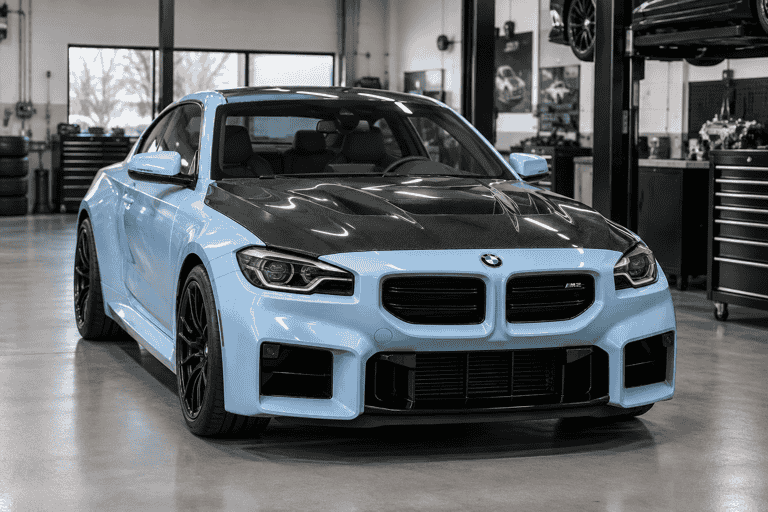
Three answers needed before a fixed installation quote
- Which panel? Identify the actual revision and obtain the relevant underside and interface information.
- Which components? Complete the transfer list and price any required separate items.
- Which checks? Have the technician define alignment, closure and adjacent-component checks against the applicable information.
Keep appearance approval separate from these functional checks. Where a required answer remains open, mark that portion of the job provisional rather than quoting a shell as a complete installed assembly.
Start with an identifiable CCF hood reference
The CCF G87 M2 hood product page provides styling references and asks buyers to confirm the current underside, hinge and latch interfaces. It also identifies vent-related pieces, seals or insulation as items to clarify. Those open fields matter more to installation planning than a version nickname.

Send the actual vehicle year, relevant modifications and the preferred product image or reference. Ask CCF to identify the offered version rather than inferring differences from “V1/V2” names or photographs of several cars.
Define the transfer and supply list before removal
Ask the installer to compare the original assembly with the proposed panel documentation. Use the product-specific information to decide which components are included, transferred, purchased separately or not applicable. The categories below are prompts for that review, not a universal list fitted to every G87 hood.
| Component or interface | Question to resolve | Record before accepting the quote |
|---|---|---|
| Hinge and panel mounting interfaces | What does the selected panel require, and which attachment items are supplied? | Identified panel revision, available underside views and corresponding instructions. |
| Closure and retention arrangement | Which documented system applies to this panel and vehicle? | Required components, installation information and unresolved questions. |
| Seals, insulation or associated trim | Which original items are retained, replaced or omitted under the stated installation scope? | Responsibility for each required item, including anything bought separately. |
| Vent-related pieces, if present | What is supplied and what information describes water management or nearby clearances? | Included pieces and the limits of the available use/application information. |
| Support and service-access requirements | Which supporting components and opening/closing checks apply? | Technician-reviewed requirements; no automatic assumption that every original component is reused. |
A clear answer might identify an item as “required separately; quotation pending.” A blank field should remain unresolved. Do not let “complete hood” silently imply that all these categories are included.
Photograph the starting condition while it is still available
Record the vehicle configuration and visible condition before disassembly. Ask the technician which overall views and interface details are needed to distinguish existing conditions from findings during the new-panel review.
Keep original parts and hardware identified by location. If a component is to be transferred, record its condition and intended reuse according to the applicable procedure. Mixing original and supplied hardware in one bag makes later identification and missing-item questions harder.
The purchasing record should also say who restores the vehicle if the proposed panel cannot proceed. An unresolved part should not leave the shop with an undocumented half-completed job.
Review alignment, closure and clearances as separate questions
A satisfactory exterior photograph does not complete the closure review. Ask the technician to record the checks performed against the selected panel’s instructions and relevant vehicle information.
| Review area | Useful evidence | What it does not establish alone |
|---|---|---|
| Panel presentation | Overall and repeatable edge views of the actual vehicle and panel. | That hinges, attachments and closure are acceptable. |
| Mounting interfaces | Identified supplied/reused items and findings against the confirmed procedure. | That another panel revision uses the same arrangement. |
| Closure operation | Technician record of the applicable checks and any unresolved condition. | Approval of an undocumented substitute retention arrangement. |
| Adjacent components and vents | Observed interfaces and open questions for the actual configuration. | Cooling performance, rain behavior or compatibility with unreviewed modifications. |
Do not force an unexplained mismatch or authorize a modification simply to produce a finished photograph. Record the finding and obtain a response tied to the panel reference. The fitment discrepancy guide explains how to preserve the information before trimming or drilling.
Use specific findings to control the estimate
Illustrative example: the exterior appearance is acceptable, but the transfer list does not identify a required seal and the closure information remains unanswered. The useful result is “appearance reviewed; component and closure questions open,” with an owner for each response. It is not a confirmed installation package.
Keep the hood price, separate accessories, freight, receiving inspection, removal, fitting and any finishing work as distinct lines. Add a clear status to each: included, excluded, provisional or awaiting confirmation. When one item changes, revise that line rather than silently changing the accepted job.
If the customer wants partial paint or protective film, identify that work and the relevant surface guidance separately. Use the partial-paint guide and PPF readiness guide to prepare those discussions.
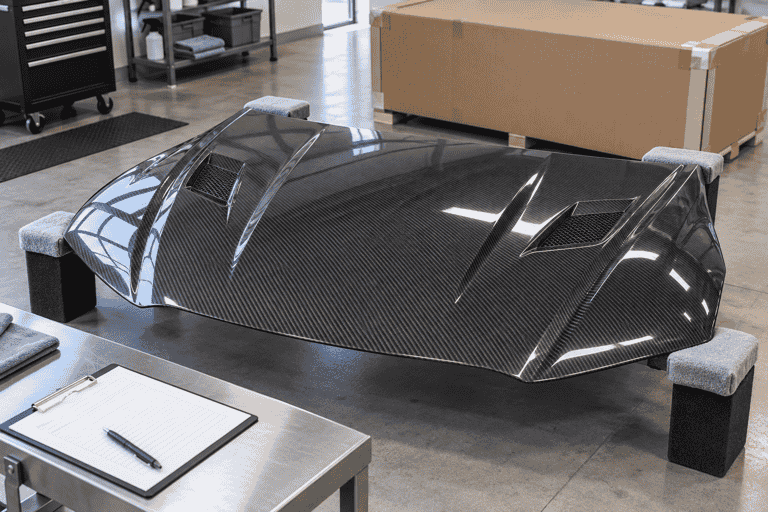
Plan receiving and handover before booking the car
Request packed dimensions, gross weight and the proposed shipping basis. Agree the receiving record and damage-reporting process before dispatch. An exterior inspection on arrival identifies what was received; it does not replace a fitment or closure assessment.
Allow for arrival review and any unanswered component question before promising a workshop completion date. If the hood is part of a wider build, keep it as a separate line in the G87 package quote so the approval of a front lip does not silently approve the hood.
Request a G87 Hood and Transfer-Item Review
Send the panel reference, vehicle configuration, finish, quantity and destination. Include the available workshop information and request the underside, required components and applicable installation documents.
Send Your Product Requirements
Include your company, selected product or project reference and the question to resolve.