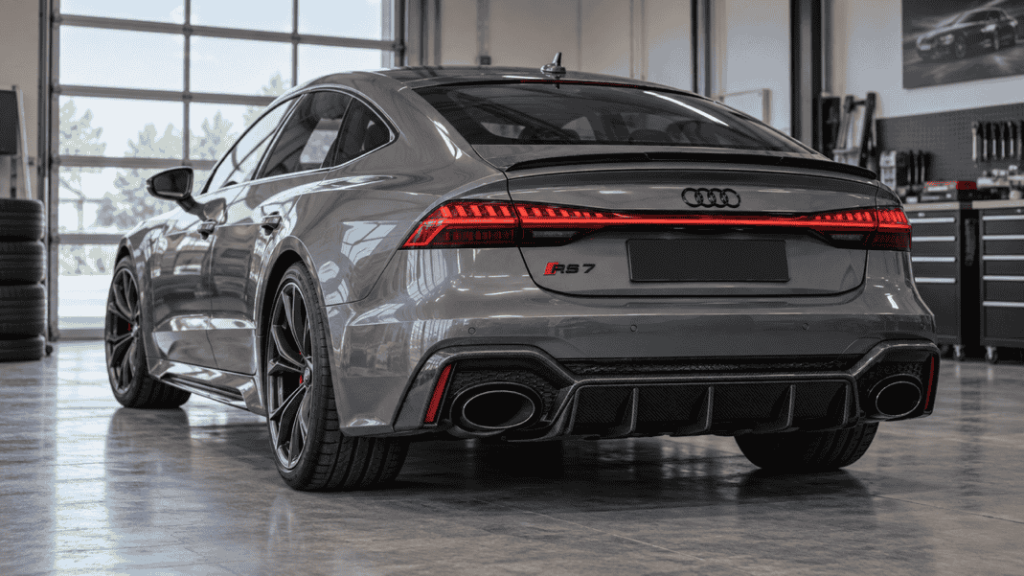
The rear diffuser is part of the overall RS7 look, but choosing one is not simply a matter of matching a carbon finish. The bumper interface, exhaust openings and the customer’s current modifications all affect the purchasing decision.
RS7 carbon fiber diffuser fitment should be confirmed against the exact vehicle generation and production version, current rear bumper, exhaust configuration and the individual diffuser reference. A listing that says “RS7 rear lip” does not establish those details.
Send current rear photographs for a diffuser fitment review before quoting the customer. Confirm the application while you can still choose the correct version instead of trying to adapt an unsuitable part after delivery.
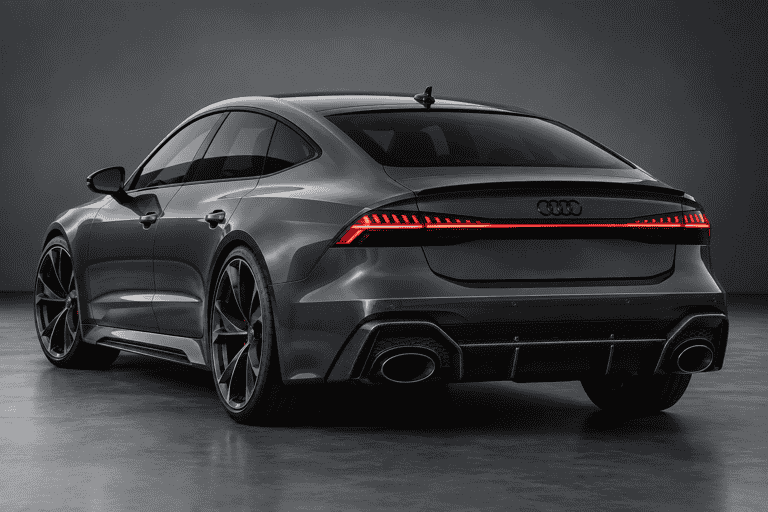
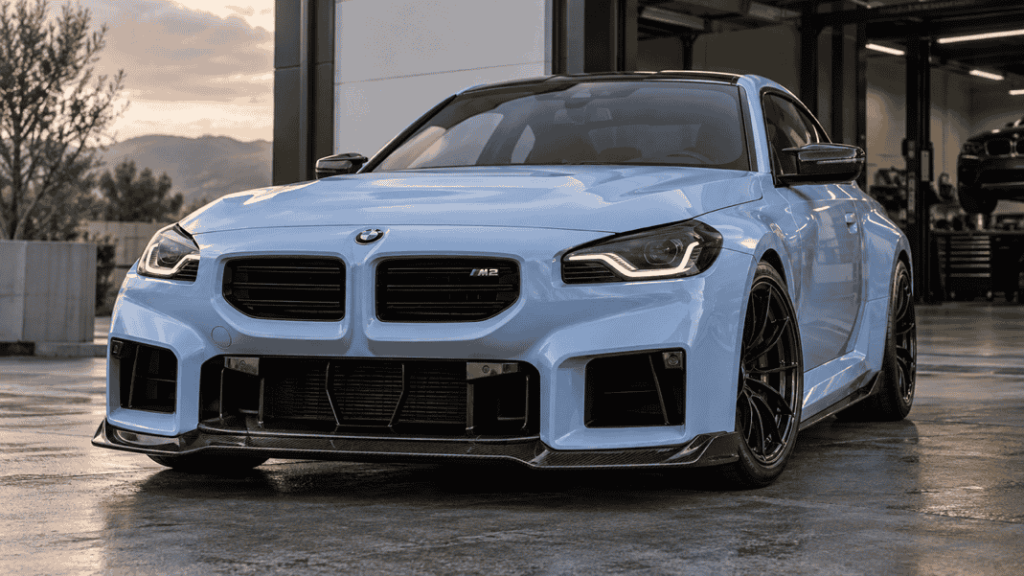
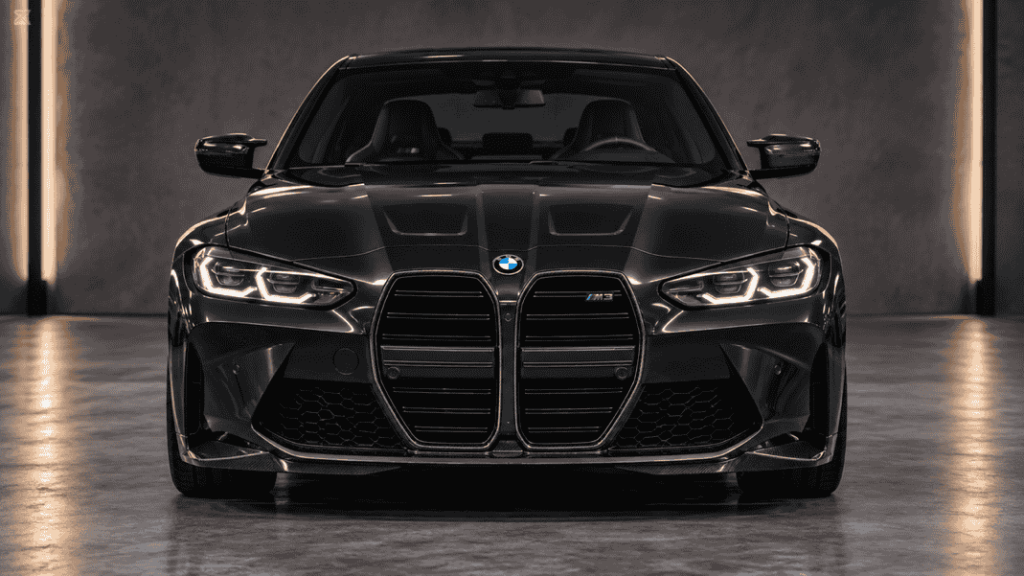
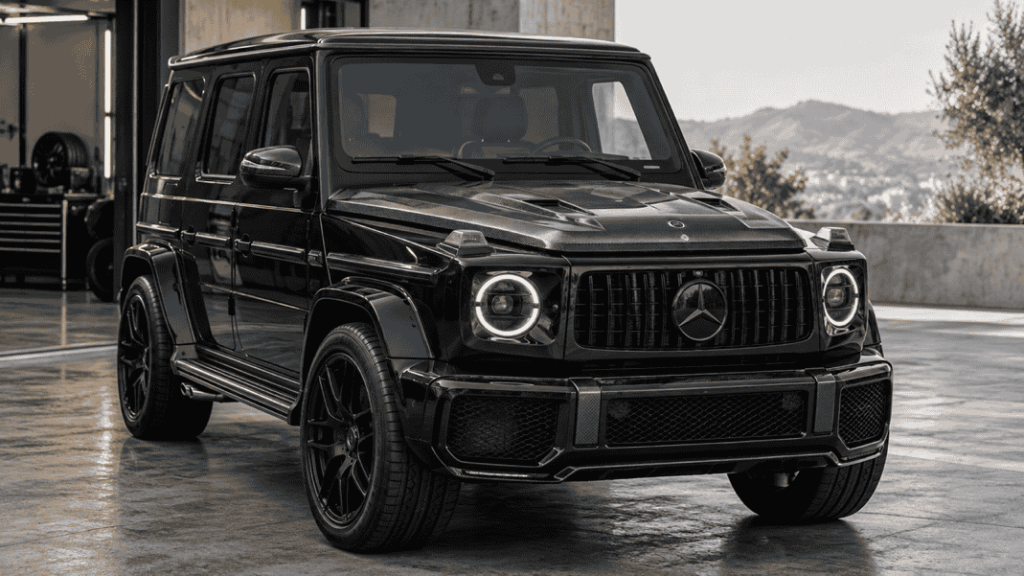
AI-generated styling concept; not a verified diffuser, model-year application or exhaust-clearance test.
Identify the actual RS7 before shortlisting parts
Record the vehicle’s production information, generation, market and exact model designation. Include relevant exterior specifications and any replacement bumper or previous rear-end repair.
A catalog heading may omit the distinction between generations or production updates. The four RS7 rear-lip records in the catalog snapshot reviewed for this guide do not provide a confirmed year range, mounting specification or explanation of how the versions differ. Request those details from the supplier rather than assigning a generation from the photograph.
Keep A7, S7 and RS7 applications separate unless the specific product is explicitly confirmed for the intended vehicle and bumper. A similar rear outline or shared platform description is not proof of an interchangeable diffuser.
Match the bumper interface first
Ask which rear bumper the selected diffuser is designed for. Obtain the product’s back-side images and relevant mounting information, not just a polished exterior view.
Clarify whether the product replaces an existing lower section, adds to it or forms part of a multi-piece assembly. Confirm any adjoining trim, brackets or fittings needed to complete the installation. The terms “rear lip” and “diffuser” can be used loosely in listings, so the supplied scope should be written out.
Audi’s RS7 exterior-design description describes an RS-specific rear bumper and diffuser with a large oval tailpipe on each side for the model discussed. That factory description helps explain why bumper and exhaust belong in the fitment review; it does not validate any aftermarket part across every RS7 generation.
Then document the exhaust arrangement
Confirm whether the exhaust outlets and associated trim are standard or modified. Provide the exhaust supplier and reference if known, along with clear photographs of the current installation.
The opening shape is only one question. The position, projection and relationship to the proposed diffuser also need review. If measurements are needed, ask the supplier to specify the reference points and method so both parties are comparing the same geometry.
Do not assume an exhaust described as “RS7 compatible” will work with every aftermarket diffuser. Two components can each have a broad vehicle application while requiring additional confirmation when used together.
| Fitment area | Information the supplier needs |
|---|---|
| Vehicle identity | Generation, production information, market and exact model |
| Rear bumper | Current version, exterior specification and modifications |
| Exhaust | Standard or aftermarket configuration, outlet views and known references |
| Proposed diffuser | Stable product reference, revision and back-side photographs |
| Supply scope | Main section, corner pieces, adjoining trim and required fittings |
| Clearances | Applicable product-specific requirements and acceptance method |
| Relevant equipment | Any sensors, wiring or other components affected by the installation |
| Evidence | Trial-fit documentation for the stated configuration, where available |
Ask for clearance requirements, not a guessed number
A visually centered outlet does not establish acceptable clearance under operating conditions. Request the diffuser manufacturer’s application requirements and the exhaust supplier’s relevant installation information for the proposed combination.
Do not use one generic clearance number for every carbon construction, exhaust layout and vehicle. Do not promise heat resistance from the words “dry carbon” alone. If the supplier cannot support the intended configuration, leave that application unconfirmed.
Any trial-fit or inspection work should be performed by a qualified technician with the vehicle safely positioned and the exhaust cool. Do not bend, trim or reposition components simply to make an unexplained interference disappear. Establish the cause and approved next action first.
Use photographs that reveal the interfaces
A useful inquiry includes a straight rear view, left and right rear-three-quarter views, close-ups of both outlet areas and the relevant lower bumper detail. Have a workshop capture any underside views using safe access; a purchasing inquiry is not a reason to work beneath an unsupported vehicle.
Ask the supplier for corresponding views of the actual diffuser reference. If a completed-car photograph is offered as evidence, confirm the vehicle configuration, product version and any modifications made during that installation.
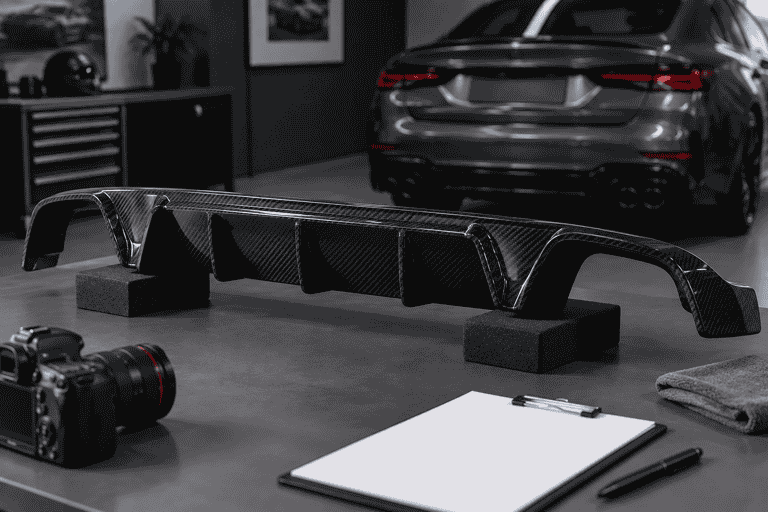
AI-generated specification-review concept; geometry, mounting features and openings are not a product drawing.
A before-and-after image can explain appearance. Back-side views and a documented application answer are what help your technician evaluate the interfaces.
Confirm appearance and included components separately
Record the agreed finish and the visible assembly the customer will receive. Determine whether outlet surrounds, corner pieces or other trim shown in a photograph are actually included.
Ask for the confirmed construction description if it matters to the sale. Do not equate the catalog’s material label with a measured weight, impact rating or tested temperature limit. Quantified claims need product-specific evidence.
For a coordinated build, compare the selected rear part’s appearance with the other confirmed components. A shared style name does not guarantee the same finish across different references or future batches.
If the diffuser is part of a wider exterior order, use the complete-kit versus individual-parts guide to separate the main panel, associated pieces and other quoted components.
Protect the installation schedule
Before booking the final slot, obtain the supplied-parts list, installation document and current delivery information. Plan receiving inspection and any agreed trial-fit assessment before irreversible finishing or modification.
If the delivered part differs from the approved version, preserve the packaging and reference information. Use the fitment troubleshooting guide to report the mismatch before cutting or drilling.
Price the confirmed job scope: part, packing, freight, required additional components and installation work. An unknown fitting requirement should remain visible in the quotation rather than being hidden inside a promised fixed completion time.
Keep the accepted exhaust configuration and diffuser reference with the order. The reorder consistency guide helps you check revisions and contents before promising the same combination to another customer.
Frequently asked questions
Does an RS7 label establish the correct generation?
No. Ask for the exact application and product reference. A broad title may omit production or bumper distinctions.
Will a diffuser for standard oval outlets fit an aftermarket exhaust?
Only after the proposed combination is confirmed. Opening shape alone does not establish position, clearance or compatibility with the current bumper.
Can I adapt an A7 or S7 diffuser to an RS7?
Do not assume compatibility or plan modifications from a catalog name. Select a product with evidence for the actual vehicle and bumper, or obtain a properly assessed product-specific solution.
Does “dry carbon” guarantee resistance to exhaust heat?
No. Ask for the relevant construction information, application limits and installation requirements. A material label is not a tested clearance or temperature specification.
Send the rear configuration before ordering the style
Send your RS7 production details, current bumper and exhaust photographs, and preferred diffuser reference. State any exhaust or bodywork modifications and ask for the application, contents and installation requirements in writing.
Use the RS7 rear-diffuser selection to shortlist the look. Confirm the bumper and exhaust relationship before turning that shortlist into a customer promise.