BMW F80 M3 and F82 M4 Carbon Fiber Upgrades: Planning a Customer Build

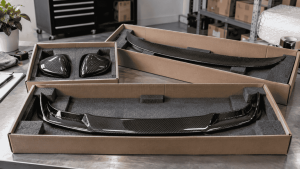
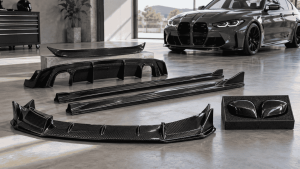
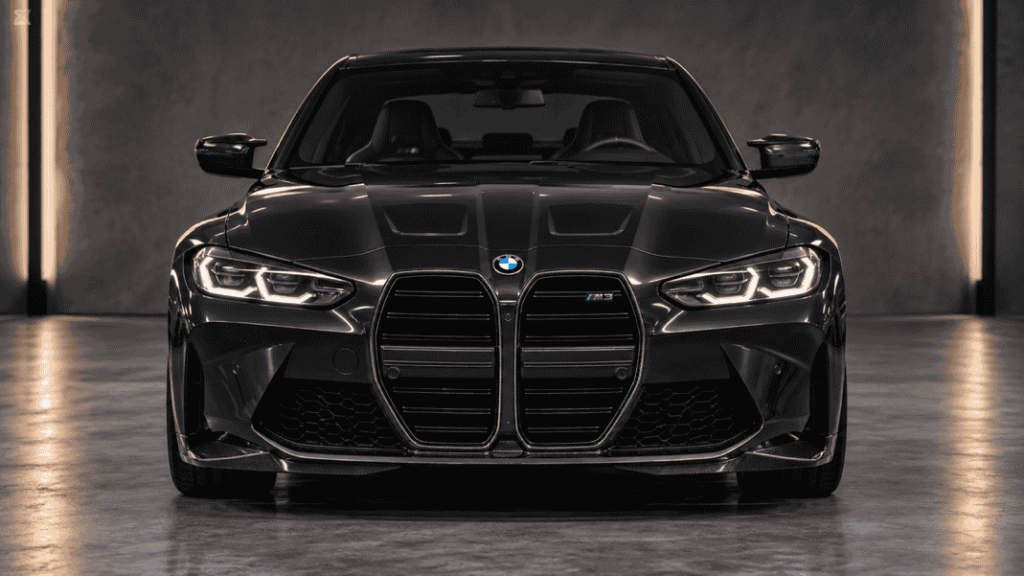
Plan a BMW F80 M3 or F82 M4 carbon fiber build by the actual car and the components the customer wants to change. Keep body style, installed equipment and individual product references visible in the proposal. A shared model-family label or complete-car photo is not a bill of materials or proof that every pictured part is included.

Plan an F80 M3 or F82 M4 carbon fiber build by identifying the actual vehicle, choosing the customer’s visual direction and recording one selected reference for each component. Shared catalog labels are useful starting points, but every selected item still needs its own application and supply confirmation. This guide is for shops preparing a customer proposal from catalog parts. It focuses on building an order that remains clear from the first conversation through delivery, rather than listing a universal “best five” upgrades.

Inspect the existing build before adding to it

Ask whether the vehicle already has a lip, corner pieces, side extensions, diffuser or aftermarket exhaust. Obtain photographs of the current setup and identify anything the customer wants removed or retained. On a previously modified car, the visible bumper may not tell you how existing pieces are attached or what has been changed underneath. Record F80 M3 or F82 M4 explicitly. Do not automatically extend a two-model listing to another body style. Keep the model year and relevant modifications on the quote, even when a supplier groups several applications on one product page.

Make the front-end decision first

Available reference choices include an MP-style front lip, a CS-style front lip and a V-style front lip. Use their actual images to discuss the visible edge, coverage and overall shape. Avoid ranking them for performance without relevant evidence. Give the customer comparable views of the shortlisted references. Ask which outline they prefer and whether driveway access or existing modifications affect the decision. A style choice should be followed by application checking; an attractive image does not resolve mounting or clearance questions.
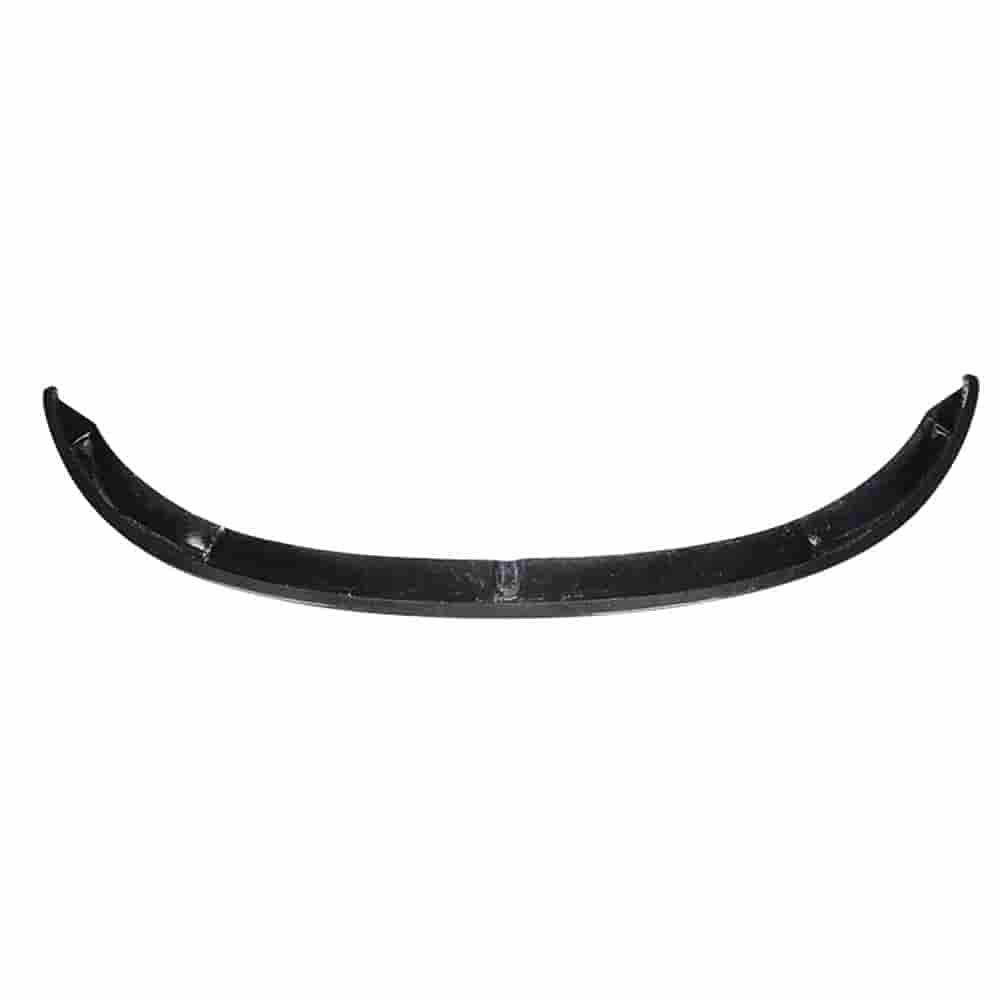
Curved front lip viewed from above on a white background.
Catalog reference for the named front lip; not a complete-package installation record.

Do not accidentally double-order front components

A separate corner-splitter listing does not prove those pieces are included in, required by or compatible with every front lip. Confirm the supplied contents of the chosen reference before adding associated pieces to the customer’s bill.
Customer requestShop actionOrder record
“I want this front end.”Identify each visible componentNamed references, not only a build photo
“Keep my current corner pieces.”Check the existing pieces against the proposed lipRetained components and unresolved interfaces
“Add everything in the picture.”Separate standard supply from optional itemsQuantity and inclusion per line

Coordinate the sides and rear without promising a tested kit

Review the MP-style side skirts alongside the chosen front reference. Discuss the appearance as a customer preference, while keeping product confirmation separate. Matching labels or weave descriptions do not establish that separate components were manufactured or inspected as one set. For the rear, compare the MP-style diffuser with the V-style diffuser if both suit the intended inquiry. Record exhaust configuration and request the relevant views. Do not let a general model label stand in for an exhaust-opening check.

Turn the preferred look into a purchasable list

Use five fields for every line: product reference, quantity/sales unit, finish, application question and inclusion status. Mark removed alternatives as excluded so that screenshots from an earlier discussion cannot be mistaken for a second order. Keep delivery and installation charges separate from parts supply. An illustrative proposal might contain one selected lip reference, one confirmed left/right side-skirt set and one diffuser reference, with existing rear trim retained. That is a scope example, not a claim that an unspecified combination fits together. The accepted quote must identify the actual selections.

Use the article as a sales aid, then close the specification

A customer can use photographs to decide the desired look. The shop then needs to close the less visible questions: mounting information, supplied hardware, quantities and existing modifications. The styling comparison guide helps with the first conversation; it does not replace the product record.

Common buyer questions

Which style is best for resale?

There is no supported universal winner here. Use actual customer requests and your own sales history before committing stock. Offer a short visual comparison when taking a customer-specific order.

Can all the parts be shipped as one package?

Ask for the packing and delivery proposal for the selected list. Do not assume a commercial package means a single carton or that all references have the same availability.

Can I price the build before seeing the car?

You can prepare a provisional scope from photos, provided the assumptions and remaining inspection points are clear. Obtain approval for changes before undertaking additional work.

Related Buying Guides

Continue Your Purchasing Research

Discuss Your Selected Parts with CCF

Send the vehicle details, product links, quantities and delivery country. Request the available product information and a quotation for the selected scope.

Send an Inquiry

Include the selected product references and your question.
This field is required.
Include country code, e.g. +44… / +49… / +971
This field is required.
Please include product links or codes, vehicle model/year, quantity and delivery country. For custom projects, add reference links and your requirements.
This field is required.

You May Also Like