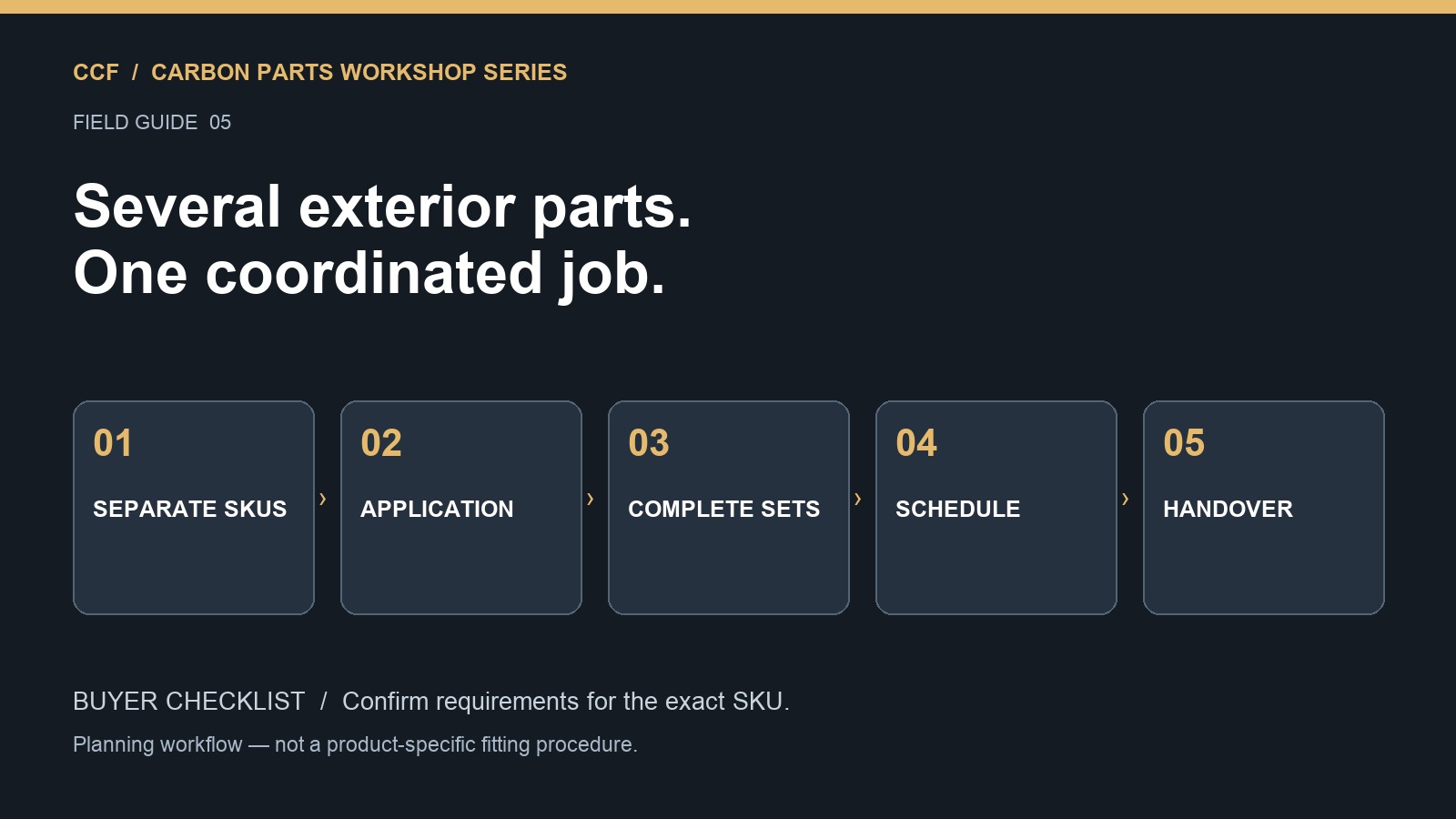
CARBON PARTS WORKSHOP SERIES · 05
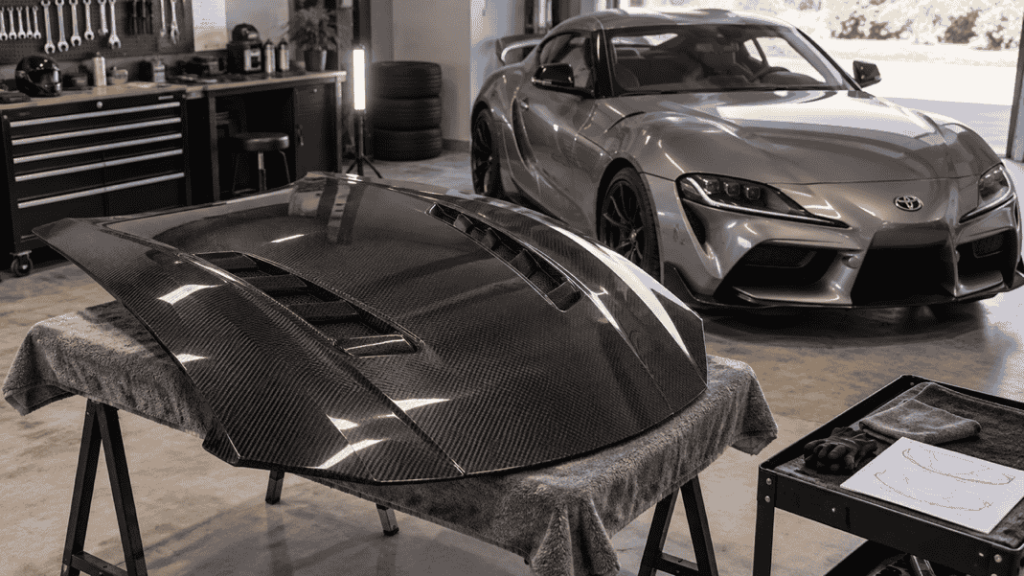
Plan a Supra side skirt and rear spat installation as one customer project with separate component approvals. Confirm each SKU, its application, supplied contents and installation information before combining the work into a firm appointment. A shared vehicle name does not prove that the parts form a compatible package.
This Carbon Parts Workshop Series article is for shops arranging a multi-part build and distributors supporting the installer. It explains how to coordinate an order, not how to drill, bond or fasten an unidentified product.
Define what the customer means by a side and rear package
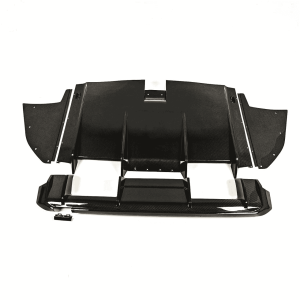
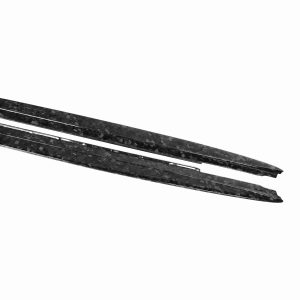
Ask the customer or dealer to identify the side skirts and rear corner pieces they want. “Rear spats,” “rear side spoilers,” “rear extensions” and “diffuser corners” are not reliable substitutes for a SKU. Use photographs to establish the desired appearance, then have the supplier map that appearance to a component list.
Separate the left and right items where applicable and identify whether the sales unit is a pair or a single replacement piece. Record the vehicle year, market, body details and existing modifications once, then attach the relevant information to each application enquiry. Avoid approving the entire package because one component has been confirmed.
Use manufacturer documents to identify the correct component
TRD provides separate Supra documents for side skirts, MS344-14001, and rear side spoilers, MS343-14001. Its Japanese application table reviewed on 18 October 2026 also lists the components separately. These references are useful examples of component-level documentation within a broader exterior range.
They describe identified TRD accessories for that market. They do not establish the installation requirements or compatibility of CCF products. For a mixed-brand or aftermarket package, ask the relevant suppliers and installer to review the actual proposed components rather than treating an original accessory range as proof of compatibility.
Create a job board with one row per SKU
| Order line | Record before scheduling | Owner of the next action |
|---|---|---|
| Side skirt set | Application, paired contents, finish and product-specific installation information | Supplier confirms the quoted package; installer reviews the requirements |
| Rear spat set | Exact rear component identity, bumper interface and supplied contents | Supplier resolves any ambiguous product description |
| Separately required items | Specified items not supplied with each product | Buyer arranges purchase after the requirements are known |
| Vehicle condition | Existing accessories, previous work and relevant photographs | Customer supplies information; workshop verifies the actual vehicle |
| Booking decision | Received items and unresolved questions for every line | Workshop confirms a realistic scope and schedule |
This board separates the commercial order from the scheduling decision. A paid order is not automatically ready to install. Equally, one missing document does not mean every component is defective; it means a specific question needs an owner and an answer.
Combine appointments only after the installer reviews the sequence
A single appointment can be convenient, but do not advertise a labor saving before the installer has assessed the work. Some operations may overlap; others may remain independent. The actual sequence and timing depend on the selected products, available instructions and vehicle condition.
Ask the installer to distinguish active labor from any product-specific waiting or curing requirements. Do not add a universal cure time to the quote. If bonding is specified, confirm the relevant materials and conditions first. Our adhesive selection questions help frame that conversation without prescribing one material for every part.
Choose a receiving policy before parts arrive
Decide whether the appointment requires the entire package to arrive or whether the customer would accept staged installation. Put that choice in the job record. Where the visible result depends on matching components, a partial installation may not satisfy the customer even if the first component can be fitted independently.
On receipt, check each SKU against its agreed list. Record condition, supplied items and labels separately so a missing rear item is not confused with a side skirt claim. Use the sample inspection framework for a consistent record. Receiving approval is different from a completed installation assessment.
Offer two clear options when one order line is delayed
For example, suppose the side skirts arrive but the rear parts remain in transit. The shop can discuss either moving the complete appointment or asking the installer whether a staged job is appropriate. Explain any additional visit or labor implications before the customer decides. Do not describe both routes as the same service.
This is a hypothetical scheduling example. The right choice depends on the selected products and customer priorities. The installation quotation guide helps state the scope of each option without promising a particular installation duration.
Keep kit-level communication and part-level evidence
The customer wants one finished build, so use one project reference for communication. Within that record, retain individual product identification, instructions and approval notes. If a later concern affects only one rear piece, you can identify it without reopening every line of the order.
At handover, record the installed components and provide the applicable care information. Do not issue a generic promise that all parts have identical maintenance needs. The customer handover checklist provides a useful structure for the final record.
Common buyer questions
Should I buy all parts from one supplier?
A single supplier can simplify communication, but it does not remove the need for individual SKU and package confirmation. Mixed-source combinations need their own compatibility assessment.
Do matching carbon finishes prove a complete system?
No. Finish matching concerns appearance; mounting interfaces, application and supplied contents are separate questions.
Can I book as soon as the supplier ships?
Treat any booking as conditional until your required items and information are available. Use the installer’s review to decide when the job is ready.
Build a coordinated trade order
Send CCF your vehicle details, selected side and rear references, quantity and destination. State whether you need one complete delivery for a planned workshop appointment. Ask us to identify the package contents and available installation information for each product.
Editorial reference check: 18 October 2026. Referenced manufacturer documents apply to their identified products. Confirm CCF SKU requirements separately.