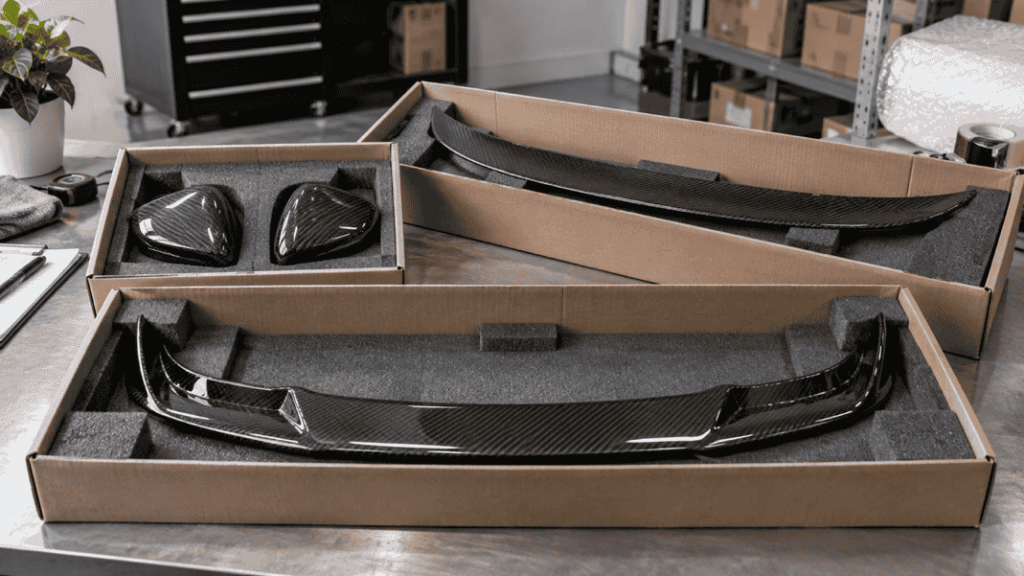
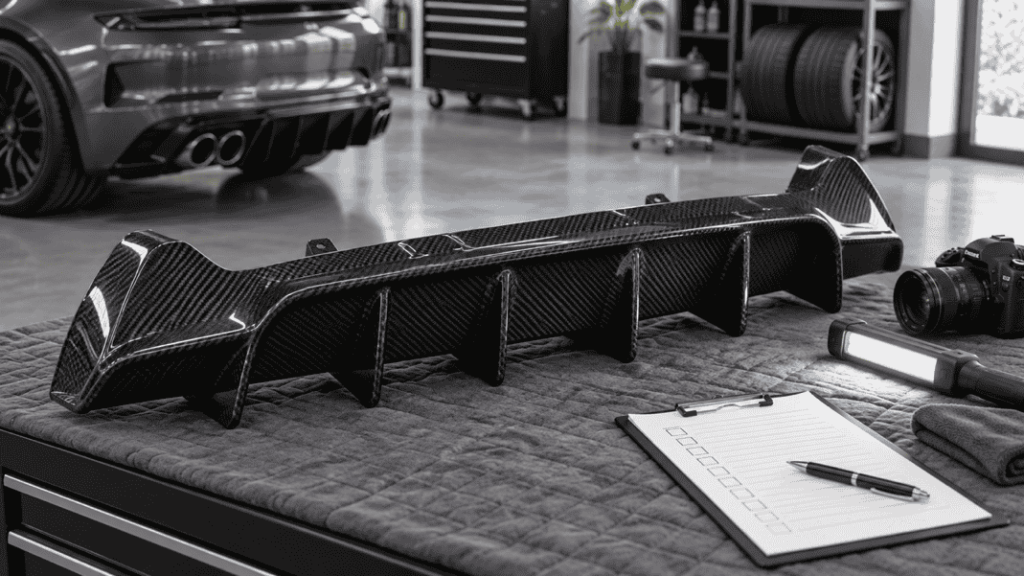
Stop replenishing a carbon fiber SKU when its expected contribution and customer value no longer justify the cash, space and support it consumes. Slow sales alone are not enough to decide. Review actual demand, stock condition and the reason orders are being lost before choosing to retain stock, move to order-led supply or exit.
For distributors, the difficult part is separating past spending from the next purchasing decision. Money already committed to old inventory does not make another purchase attractive. A useful review asks what should happen next, while giving the remaining stock its own disposal or sales plan.
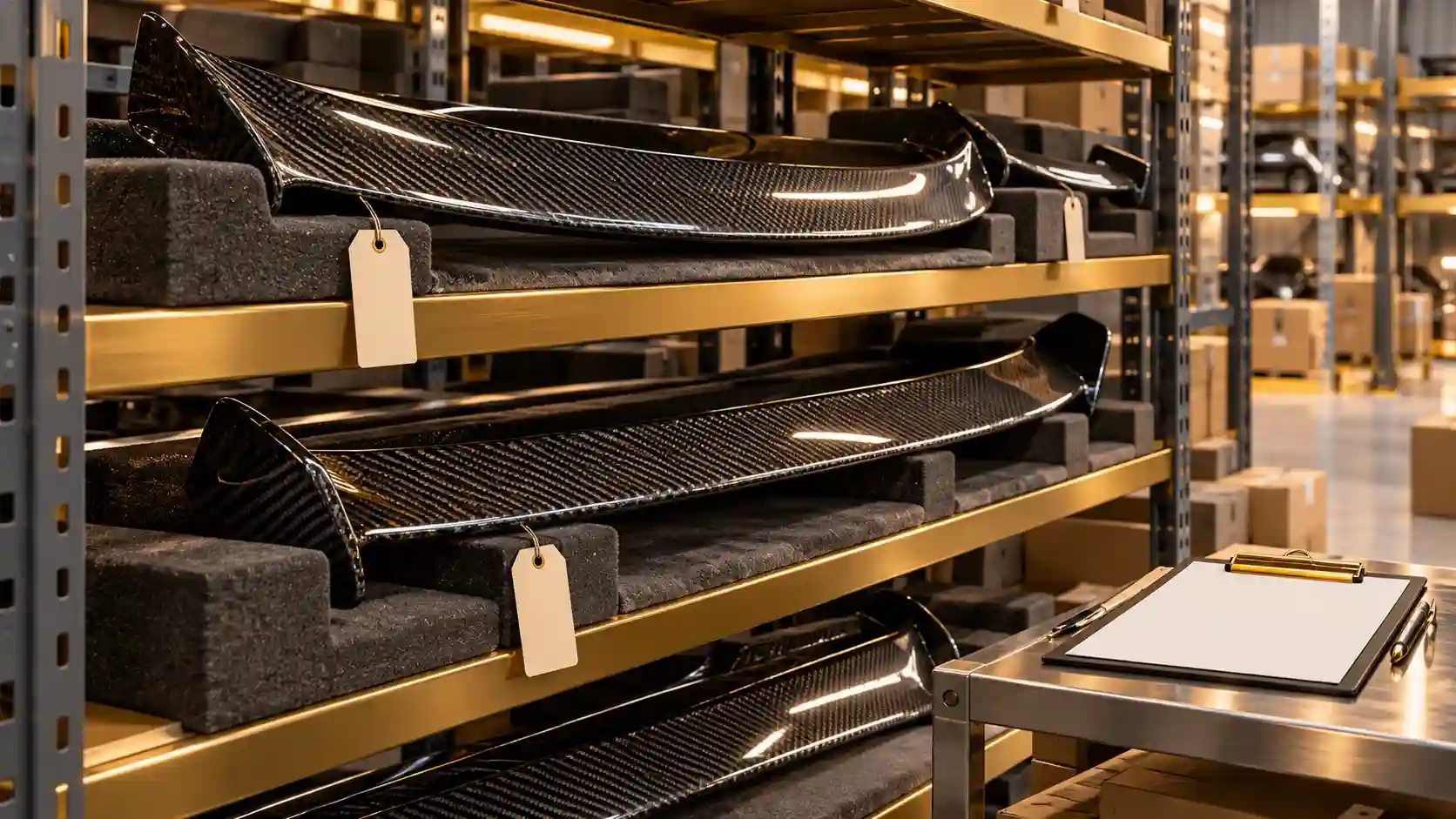
Build a one-page SKU review
| Measure | Record | Decision use |
|---|---|---|
| Saleable stock | Units, age and condition | Establish what can actually be sold |
| Demand | Qualified inquiries, sales and lost-order reasons | Separate low interest from poor information |
| Contribution | Net sales less relevant variable costs | Identify whether sales are worth supporting |
| Operational burden | Space, handling and support hours | Expose costs beyond purchase price |
| Supply options | Lead time, minimums and order conditions | Assess an order-led alternative |
Diagnose the cause before clearing the stock
A SKU may sell slowly because the application is unclear, photographs do not distinguish the version, the price is uncompetitive or demand is genuinely limited. These causes call for different actions. Check whether sales staff can identify the correct buyer and whether the product page answers the recurring questions.
Do not treat every inquiry as demand. Record the vehicle, required version and whether the customer accepted the commercial scope. Repeated requests for a different bumper version do not justify replenishing the version you already have.
Look at a period appropriate to your own business and seasonality. There is no universal number of days after which every carbon part should be discontinued. A specialist hood and a fast-moving trim item can have very different sales patterns.
Choose one of three actions
Retain controlled stock: use this when the evidence supports continued demand and acceptable contribution. Set a purchasing limit and a review date rather than leaving the SKU on automatic replenishment.
Move to order-led supply: consider this when demand exists but does not justify holding inventory. Confirm the supplier’s actual conditions and explain the order timing to customers. Do not advertise an unconfirmed lead time or accept an order on the assumption that stock will be available.
Stop replenishment: use this when the case for another purchase is weak. Keep the remaining-stock plan separate: ordinary sale, an accurately described promotion or another authorized disposition. Discontinuing a SKU does not mean hiding known defects or presenting damaged stock as new.
Make the decision testable
Assign an owner, an action and a review date. For example, if the suspected problem is unclear application information, improve the listing and measure qualified inquiries and conversions over an agreed period. This is a local experiment, not a promise that better copy will create demand.
Record commitments already made to customers before changing the listing. Service existing orders and retain product records needed for support. A discontinued product may still require documentation even after the last unit is sold.
For a related product family, review each version rather than removing the entire model range automatically. One unpopular finish does not prove that the platform is unattractive. Equally, a strong seller does not justify carrying every adjacent variation.
Avoid three expensive mistakes
- Buying more to reduce the average purchase price without evidence of demand.
- Using a clearance discount that ignores fulfillment and support costs.
- Deleting the SKU identity so returns and earlier customer orders become hard to trace.
Keep a short decision log explaining why replenishment stopped and what would justify reopening it. A documented customer order or a changed supply arrangement is more useful than a general feeling that the product might sell later.
Three distinct inventory outcomes
Use this record as a buyer working tool. Examples and sample labels below are illustrative, not CCF inspection, order or test records.
| Record | Example or required entry |
|---|---|
| Retain controlled stock | Demand and contribution justify stock; set a limit and review date. |
| Move to order-led supply | Demand is occasional; offer this only after actual supply conditions are confirmed. |
| Stop replenishment | No credible case for another purchase; record a separate plan for existing units. |
For each outcome, write the evidence that would change the decision. Do not use a fixed industry age threshold that your own demand and costs do not support.
For the connected decisions, use Best Practices for Picking Similar-Looking Carbon Fiber Parts in a Warehouse and How to Choose a 3PL for Carbon Fiber Hoods and Body Kits.
Buyer FAQ
Should every slow-moving item be discounted?
No. First establish whether price is the obstacle and whether the proposed sale still makes commercial sense.
Can I switch every item to preorder?
Only where the actual supply arrangement supports it. Confirm conditions before offering an order-led route to customers.
Will a supplier buy back old stock?
Do not assume that. Any return, exchange or repurchase arrangement must be explicitly agreed; this guide does not promise one from CCF.
Review Your Supply Options Before Reordering
Send the affected references, remaining quantities and current customer requirements. Discuss available supply conditions without assuming a stock-return or repurchase agreement.
Send an Inquiry
Include this article title, your product reference, vehicle details and the question you need resolved.